
‘I’d recommend looking beyond your usual networks and being clear about why you want people to join your board’
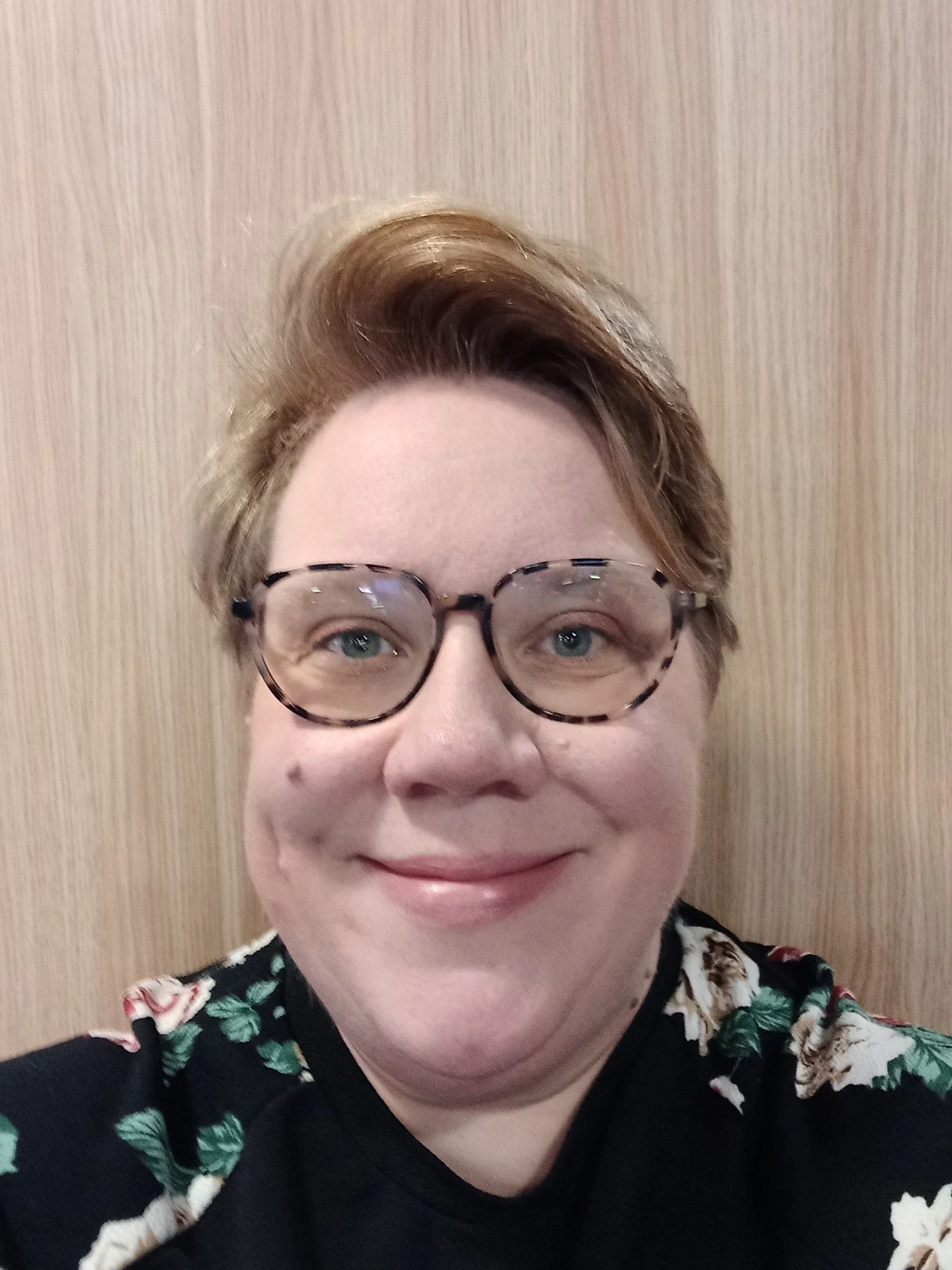
Gloucestershire Rape and Sexual Abuse Centre (GRASAC) have recently tripled the size of their trustee board – and increased its diversity and experience. Susanna Morris, Volunteer and Participation Co-ordinator, explains how they achieved this
When I started working on our trustee recruitment, I’d not recruited to a board before, and if I’m honest, felt a little out of my depth! I was relatively new to my role, coming from a predominantly clinical and training background, so I approached the task from what I know - encouraging involvement and making individuals feel welcome.
Read on to hear how Susanna and colleagues successfully adapted their recruitment process to help you do the same.
Announcing: The Inclusive Gloucestershire Pledge
The Inclusive Gloucestershire Pledge is a collaborative countywide initiative bringing together VCSE organisations to demonstrate a shared commitment to creating more inclusive, welcoming, and accessible communities across Gloucestershire.
‘They share stories and while they are at the centre they are no longer lonely’
As part of our Spotlight series, Wendy Kewley explores how Ebony Carers strengthens support for carers from Gloucester’s Caribbean community by working collaboratively with local organisations
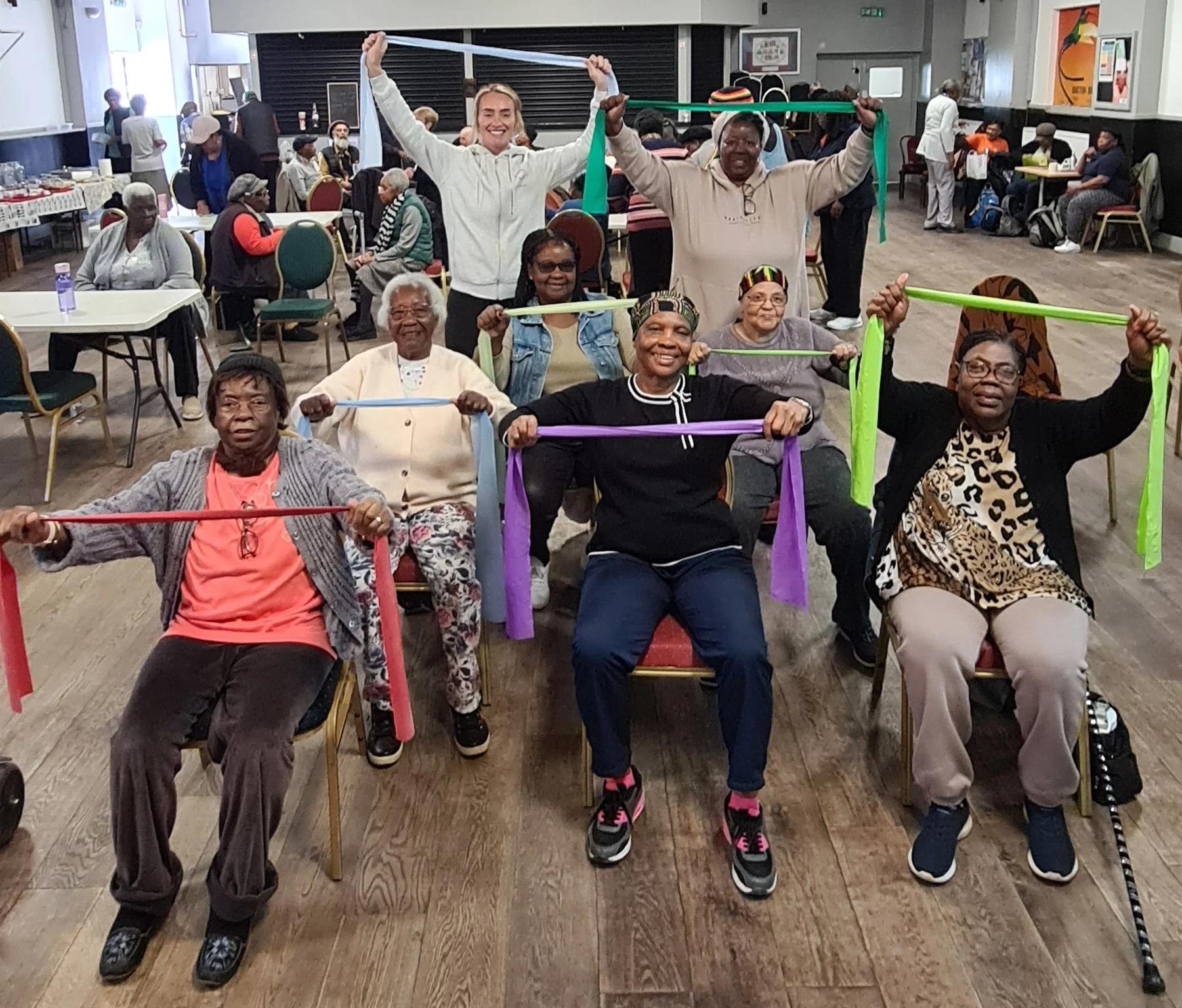
It’s 10am on a summer morning and Martha and the Vandellas are singing ‘Dancing in the Street’ loudly in a community hall in central Gloucester. A few elderly people are sitting on chairs around the room tapping their feet to the beat. It’s hard not to. A few more are following the chair exercises that Kate, the fitness trainer, is enthusiastically demonstrating on stage.
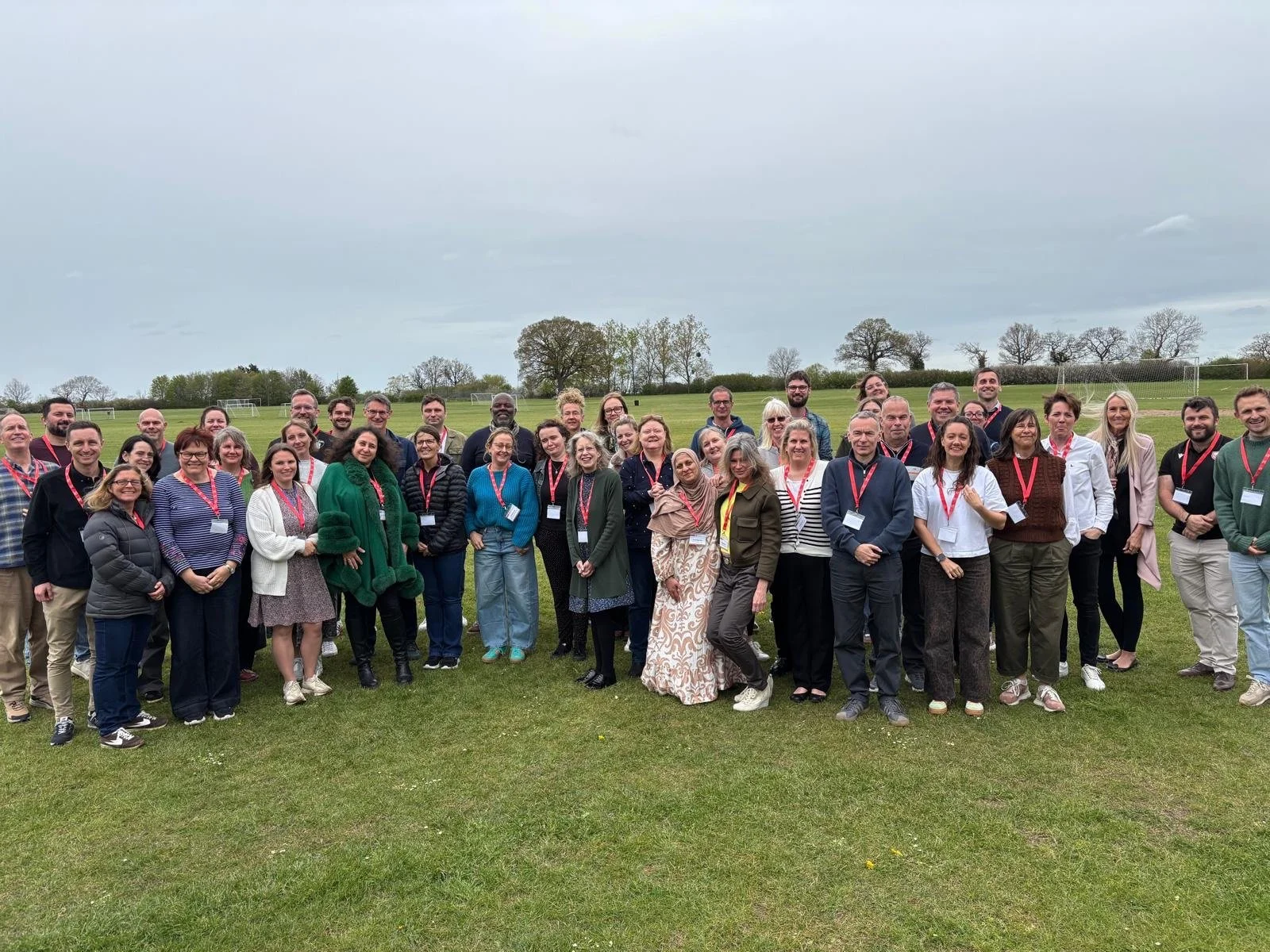
From Shared Purpose to Collective Action: Lessons from the We Can Move Systems Leadership Programme
Active Gloucestershire’s Systems Leadership Programme is equipping participants to work across organisational boundaries to create the conditions where everyone can be more active and live healthier lives.

‘I had to start somewhere, so I started small. Allyship doesn’t have to be a big, sweeping gesture’
Jade Craswell is the Chief Executive Officer of PATA (UK), the largest voluntary sector provider of early years childcare and education support in Gloucestershire. She shares how small steps can lead to a more inclusive organisational culture
Being an ally means supporting people from marginalised groups. As a white woman, I have lived experience of gender inequality, but true allyship is intersectional and recognises that people hold overlapping identities that can compound their experiences of discrimination.
When I first started reflecting on inclusion, honestly, I was scared. Inclusion and allyship was important to me, but I didn’t know much more on the topic.
I was scared of getting it wrong and afraid I might upset someone if I used the wrong words. People within my organisation were kind and had the best intentions and it felt safer to conclude that we were inclusive because we were all caring people. Yet, I knew I had to push towards true inclusion.
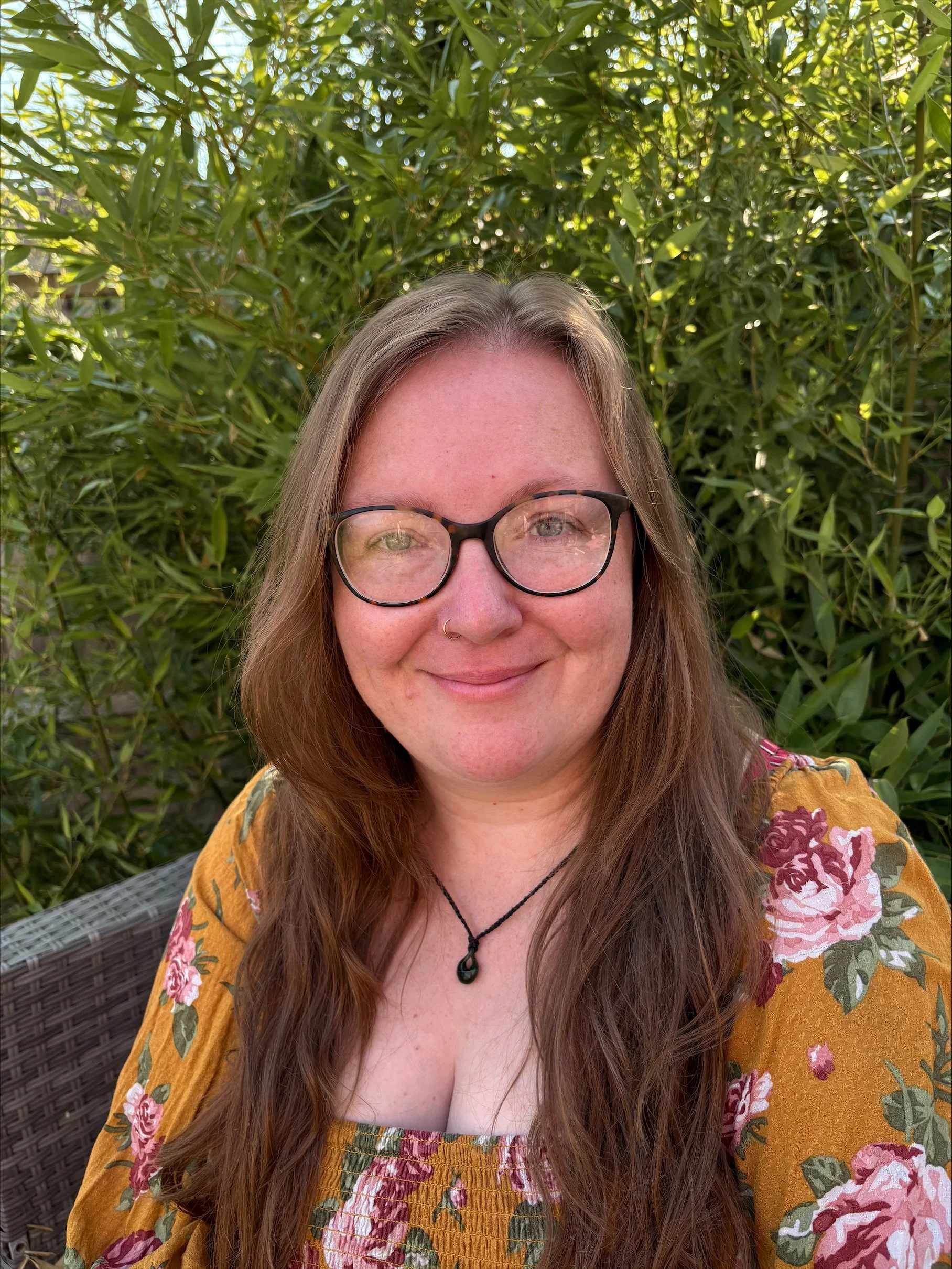
Five ways to create an inclusive workplace using the Integrative Framework for Belonging
Lucy Henderson explores how every day, friendly interactions can create a culture of belonging within your organisation
Belonging has long been recognised as an important part of the human experience with research spanning psychology, sociology, education, and public health reflecting the growing consensus that belonging is central to our health and wellbeing. Over the last five years I’ve researched belonging through the lens of newcomer experience, working with grassroots arts organisations in Gloucestershire and exploring how belonging develops when someone joins a group.
For something so important, you may be surprised at how easy it is to support belonging in your organisation! It's built in every day moments, and can be even something as simple as a remembered name. In my research, I found that belonging grew from small interactions that added up over time. It doesn’t have to be complicated, just consistent.
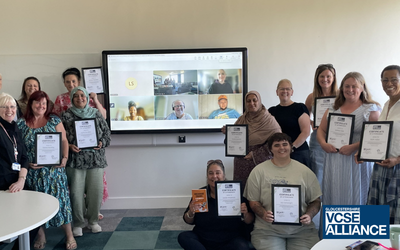
Find out more about the Future Leaders Pathway Programme
Our 1st cohort of the Future Leaders Pathway Programme graduated last week… find out more about the programme and what they learned.

On my bookshelf: Vicci Livingstone-Thompson
Vicci is Chief Executive Officer of Inclusion Gloucestershire. In this edition, Vicci shares her five top thought-provoking reads…

Find out more about the Age-friendly Employer Pledge from Alan Inman-Ward, CEO of Age UK Gloucestershire
The Age-friendly Employer Pledge from the Centre for Ageing Better is a commitment made by employers to celebrate the value of older workers. It is free to sign-up and is open to employers across the UK. Age UK Gloucestershire have recently signed the pledge, so we spoke to their CEO, Alan Inman-Ward to find out more.