

Age Friendly Cotswolds: ‘People want connection, to feel involved and feel valuable and, importantly, to have something to look forward to’
Sarah Bourne from The Churn Community Hub shares her reflections on partnership working within the Age Friendly Cotswolds initiative
In the last year, Age UK Gloucestershire, The Churn Community Hub, Cotswold Friends and Tetbury Area Youth & Community Trust (TAYCT) have been working closely together with their Cotswold communities in a new co-production and collaboration initiative called Age Friendly Cotswolds. The aim is to enable older people to feel more connected, valued, and able to shape the places where they live, so they can thrive.





Celebrating Gloucestershire’s trustees
Celebrating Gloucestershire’s trustees
To mark Trustees Week, we’d like to thank Gloucestershire’s trustees for their passion and commitment to making our county a better place to live. As part of this, we asked eight trustees from different organisations how they first became a trustee and what inspires them in their work.
What inspired you to become a trustee?
I became a trustee because I wanted to use my skills to help people in my community. Getting involved with Hungry No More has given me an insight to help people facing hardship have access to support and dignity. Having seen the increasing need for food banks and community services, I felt I could contribute my skills and experience to help guide and strengthen the organisation.
Alexandra Perrett – Hungry No More
I had just been made redundant, and my new role involved working with some young apprentices. Although I had two young people at the time, I wanted to understand the issues that young people had at the time in the early 1980s.
Chris Fletcher – Together in Matson
Why becoming a charity trustee could be one of the most rewarding decisions you make
Why becoming a charity trustee could be one of the most rewarding decisions you make
Ian Joseph OBE is Managing Director of Trustees Unlimited, the UK's leading trustee recruitment. He reflects on his journey as a trustee, sharing insights and advice that he’s learned along the way
People choose to become trustees for several reasons. Two stand out.
The first is to use the skills and experience they have accumulated in a way that feels more meaningful than simply giving money.
The second is the value they derive from the experience.
I have had the privilege of serving on the boards of several organisations. Although, in every instance, my first reaction was one of self-doubt and a questioning about my suitability, without fail it became one of the most rewarding things I’ve done professionally and personally.
Risk Radar: the questions trustees should never be afraid to ask
Risk Radar: the questions trustees should never be afraid to ask
Good governance isn’t about having all the answers. It’s about asking the right questions. In our latest Matters Arising newsletter for trustees, our Risk Radar section explores how asking the right questions can help trustees identify risks early and make better decisions
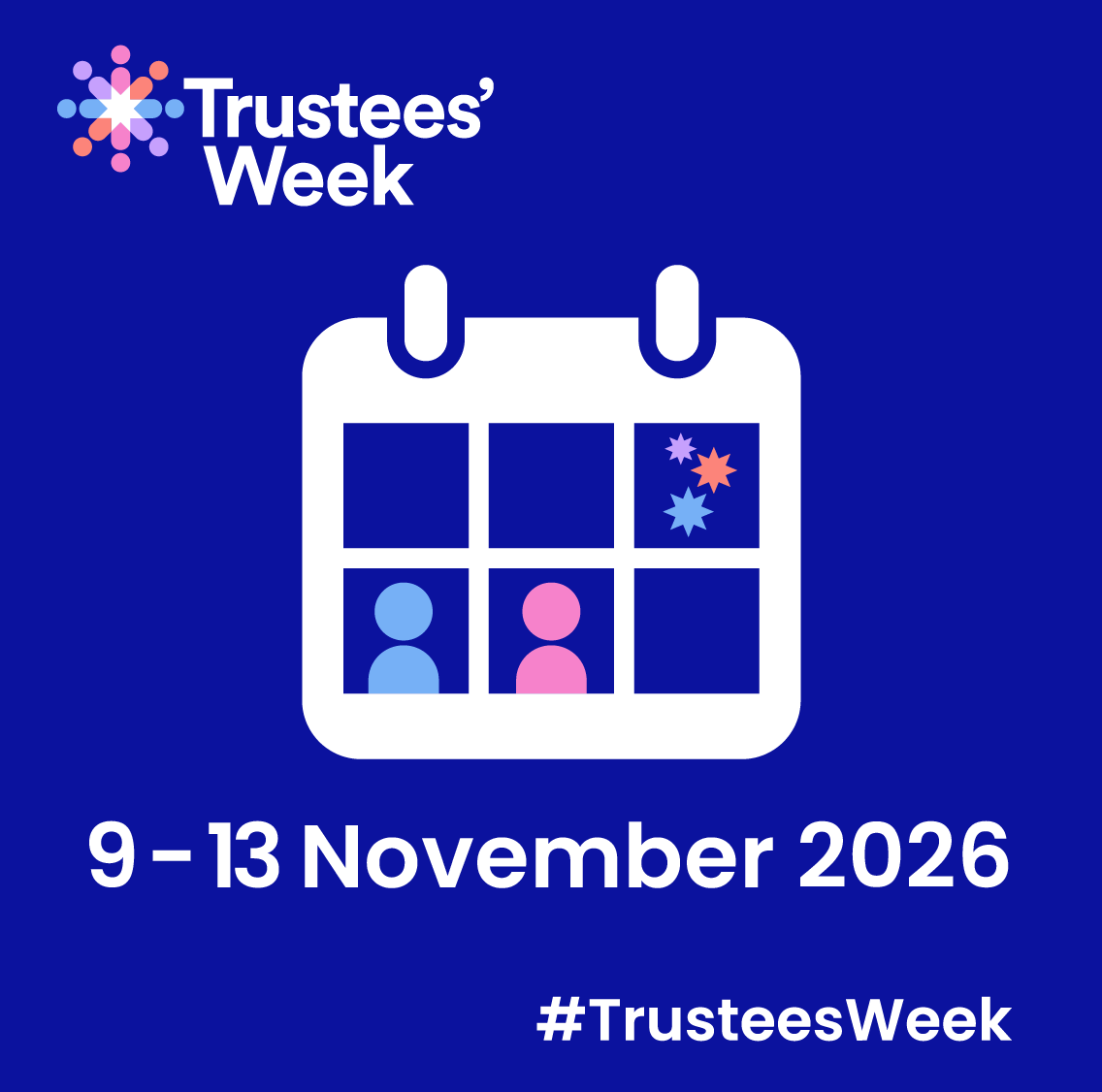
National Trustees’ Week is a chance to celebrate the people who give their time, skills and experience to support charities and the communities they serve. Trustees play a vital role in ensuring charities remain effective, accountable and focussed on their purpose.
But being a trustee can sometimes feel daunting. Board papers are lengthy, discussions can move quickly, and there may be pressure to agree with the majority or trust that someone else has checked the details. For trustees who are new to the role, asking a challenging question can feel particularly uncomfortable.
Yet asking questions is not a sign of weakness or a lack of trust. It is an essential part of good governance. A healthy board makes space for curiosity, constructive challenge and different perspectives.
Trustee Troubleshooter: thanking and saying goodbye to trustees
Trustee Troubleshooter: thanking and saying goodbye to trustees
In our latest Trustee Troubleshooter column, a reader writes in seeking advice on a gift for a trustee who is stepping down. Penny Wilson, Inclusive charity governance consultant, shares her thoughts below
Question: I’m the manager of a charity. A brilliant and longstanding trustee is retiring soon and the chair has asked me to buy them quite an expensive gift. I’m concerned that this isn’t allowed. What is allowed in terms of thanking trustees?
Penny: This is a great question and I’m pleased to hear that you have such brilliant trustees. However, the fact that you feel uncomfortable with the size of the gift is a good reason to raise your concerns with your chair. After all, if it makes you uncomfortable, it might make colleagues, other trustees, volunteers, clients and funders uncomfortable too.
So, let’s explore this area in more depth.

Developing diverse trustee boards: more than a seat at the table
Developing diverse trustee boards: more than a seat at the table
Founder of Board Racial Diversity UK, Malcolm John shares practical tips on how your board can be more diverse and inclusive going forwards
Why diversity matters
The LGBTQ+ human rights activist Stuart Milk once said: “We are less when we don’t include everyone.”
This quote, like many thought-provoking ones I have shared across my previous blogs since launching the Action for Trustee Racial Diversity campaign in 2019 (now Board Racial Diversity UK) , aptly underpins this piece.
Wellbeing and resilience for trustees: supporting those who lead
Wellbeing and resilience for trustees: supporting those who lead
National Trustees' Week provides a wonderful opportunity not only to celebrate the contribution trustees make to our communities, but also to recognise the dedication, commitment, and leadership they bring to the organisations they serve. Read on for five ways that you can support your trustees
Trustees generously give their time, expertise, and energy to support causes they care deeply about. Alongside their trustee responsibilities, many balance careers, family commitments, caring responsibilities, and other voluntary roles. In a rapidly changing environment, trustees often contribute to important decisions about finances, risk, staffing, service delivery, and the long-term sustainability of their organisations.